
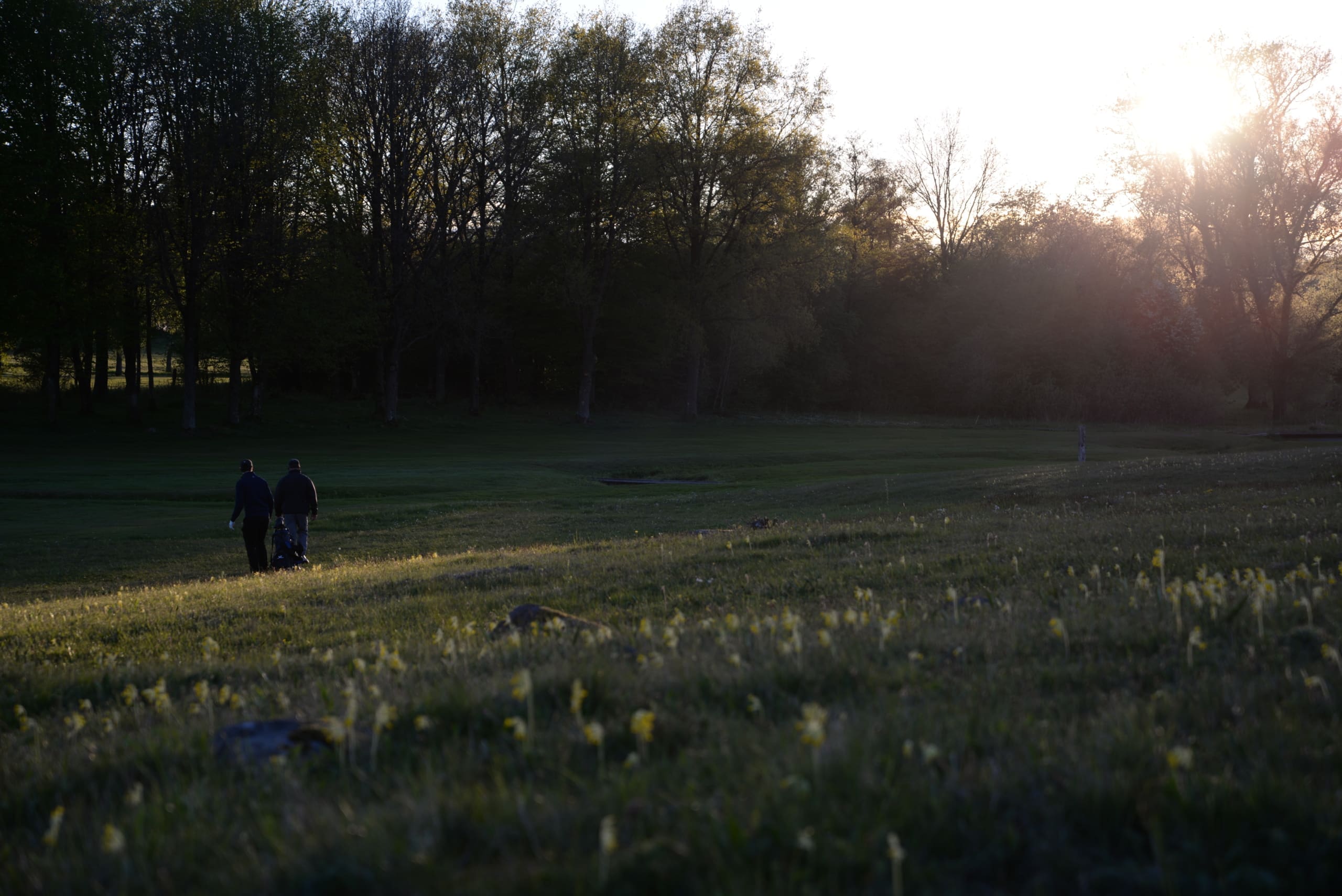
Why don’t we pause for a moment on the course? The rough at the edge of hole seven is easy to walk past. But when we stop for a few seconds and listen, somewhere in the trees, the birds are singing in concert. What thrives in these parts of LAGK, on and between the fairways and roughs, matters as much as what happens on the greens and tees. And what happens here, sets LAGK apart from many other golf courses.
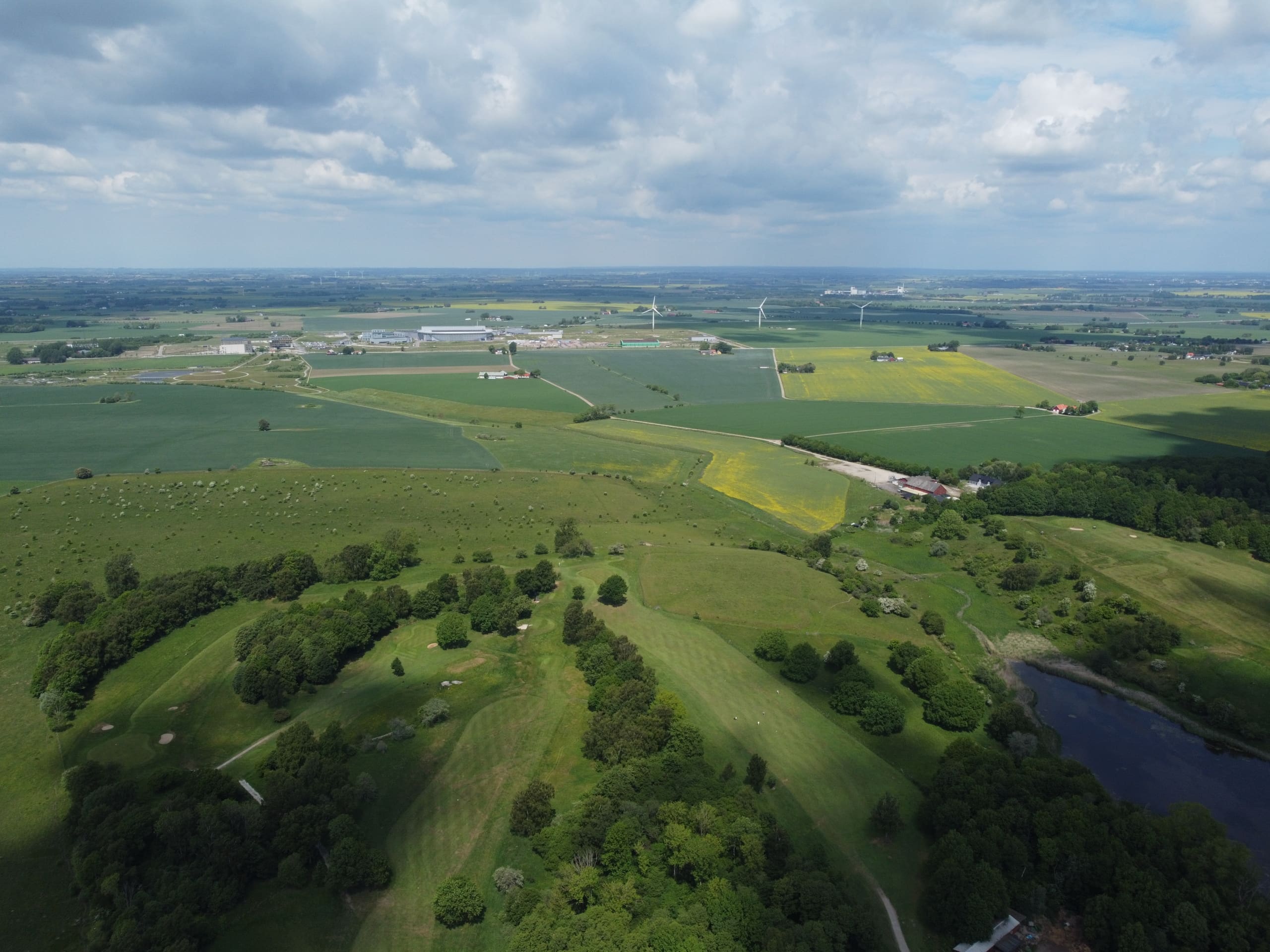
If we take a look across Skåne’s landscape we see how much of the land is occupied by agriculture. An average Swedish golf course uses approximately 37,500 m³ of water per year, a figure comparable to that of a Swedish farm [1]. Agriculture, however, uses significantly more chemicals per hectare than an average course [2]. In both cases, nature ends up losing. Sustainable golf course management, as practised at LAGK, shows that golf as a land use form can play a different role.
Being a member at LAGK is nothing passive, as the ecological management of this course is economically and socially dependent on a community who values it. To play here is therefore part of a demonstration that golf and nature conservation can thrive on the same ground, with LAGK showing which steps have to be taken for it.
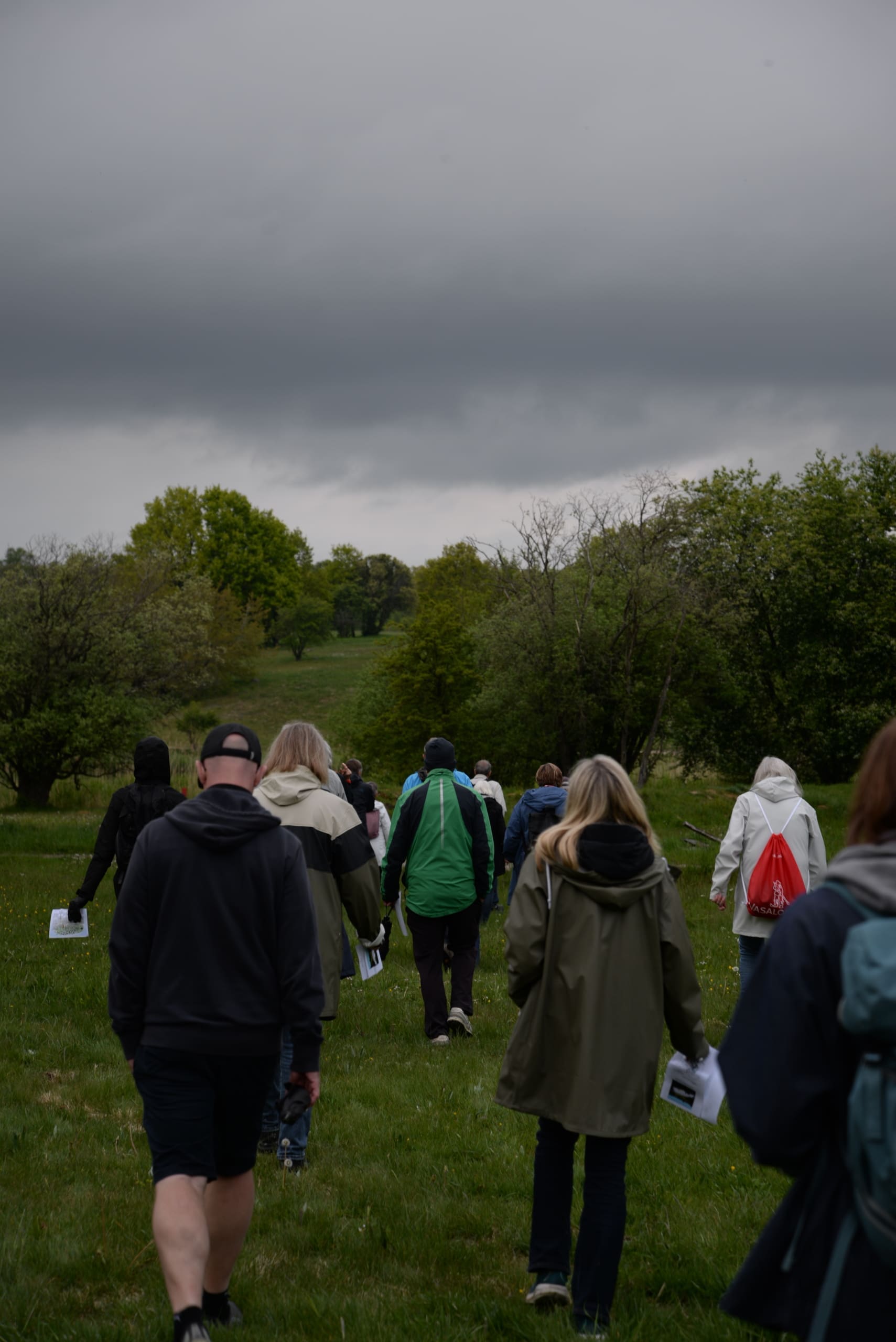
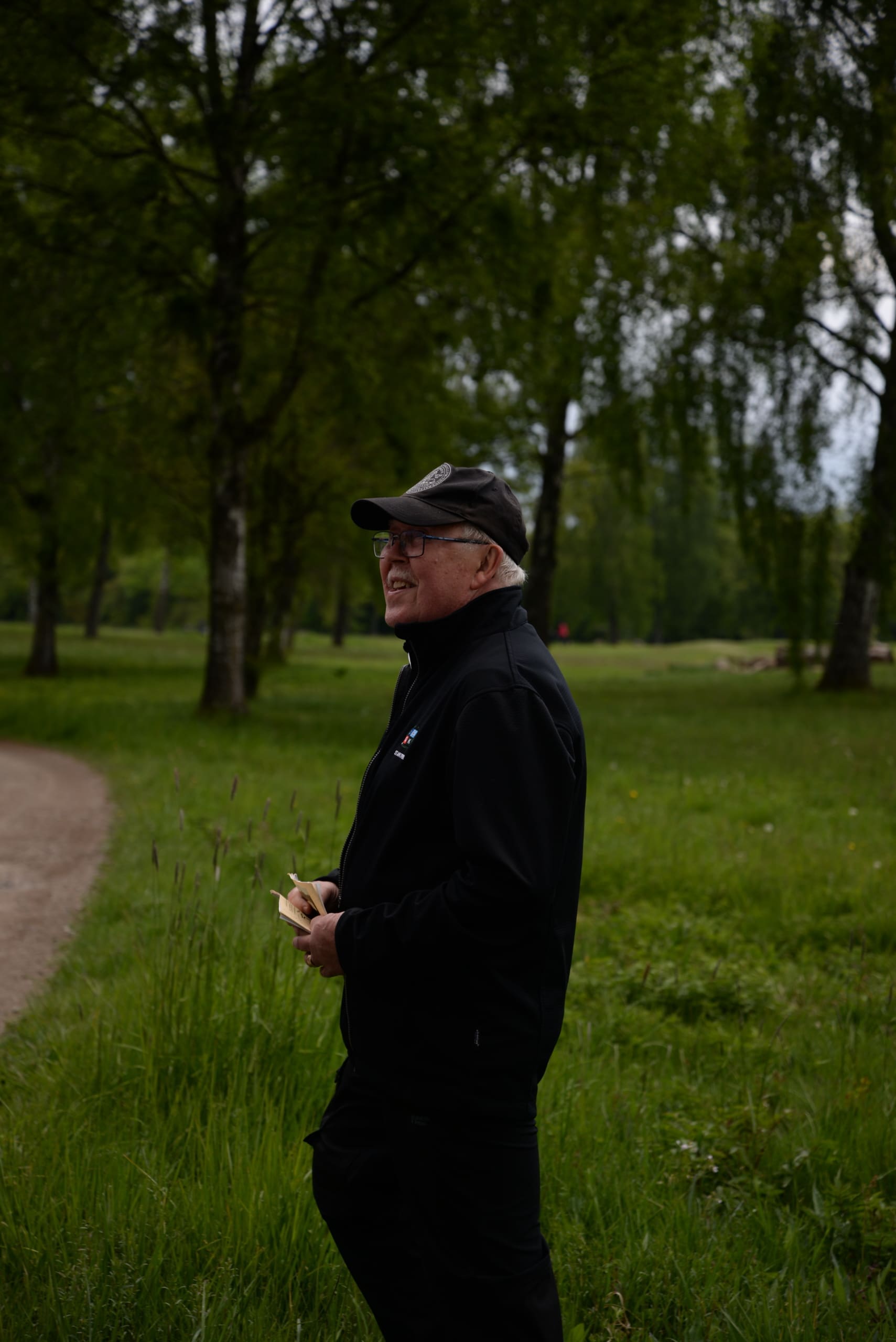
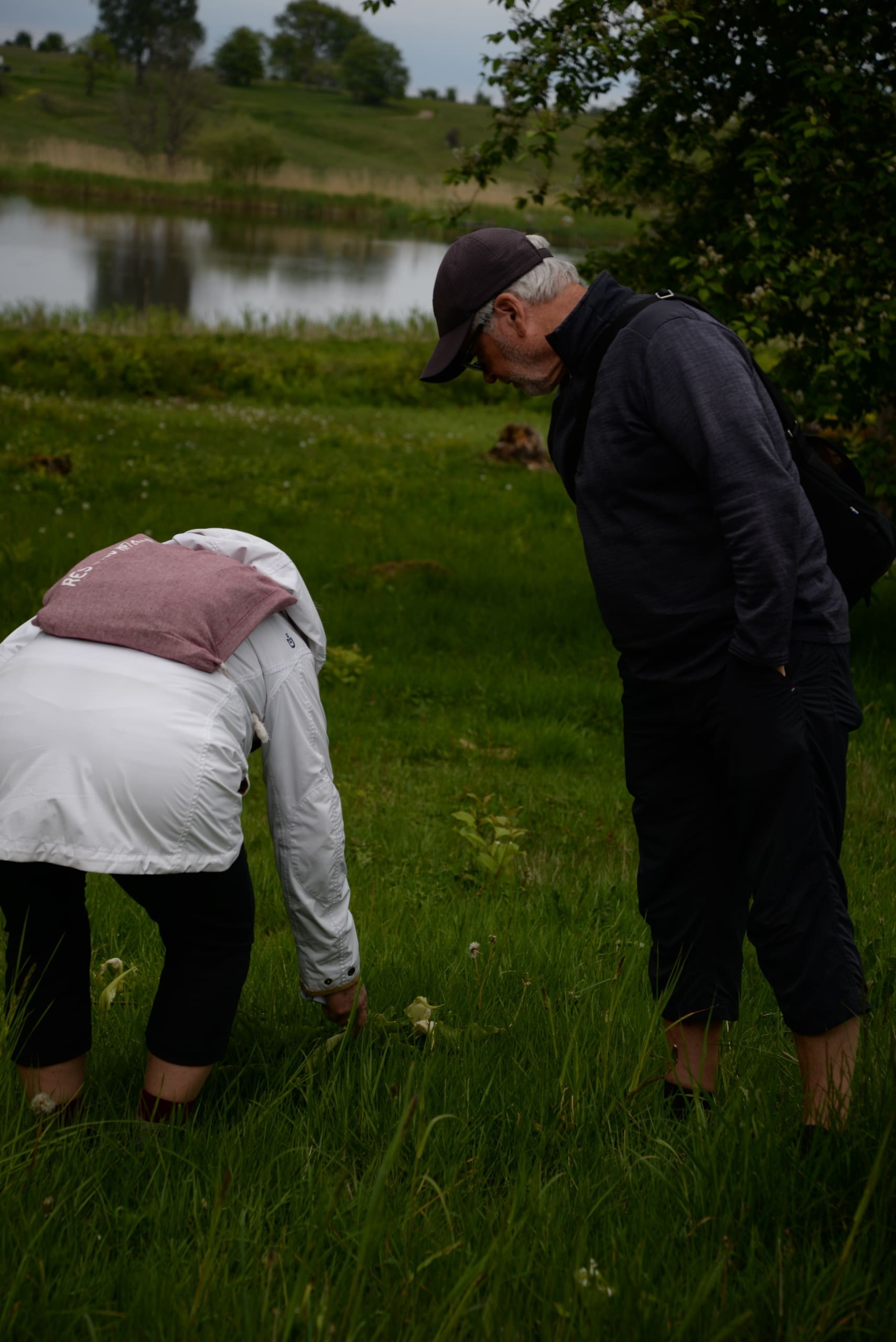
Franz-Michael Rundquist has been a member at LAGK since 1983. His connection to the course has long extended beyond the game itself. As a Professor of Human Geography, he brought a wealth of historical knowledge to the course. When LAGK’s nature committee was formed in 1995 he was involved immediately and has been a central part of it ever since. For decades he has organised cultural and natural history walks on the course, drawing in both golfers and non-golfers alike.
Asked whether LAGK should be seen primarily as a golf course, a nature reserve, or a historic site, he smiles:
”You’re asking the wrong guy. I see all of that. My golf buddies are a bit annoyed with me when I disappear out in the bush and look at some flowers. On the other side I know the historical aspects of how this whole place has come about and where it stands today.”
In his view, many of LAGK’s members are already aware of the conservation work on the course and treat nature with care. However, he points out that even accidentally walking through areas where sensitive plants grow can cause damage. A good reason to spread the word: by providing a home to ten orchid species, LAGK helps support pollinators throughout the season by offering a reliable source of food when it is needed most.
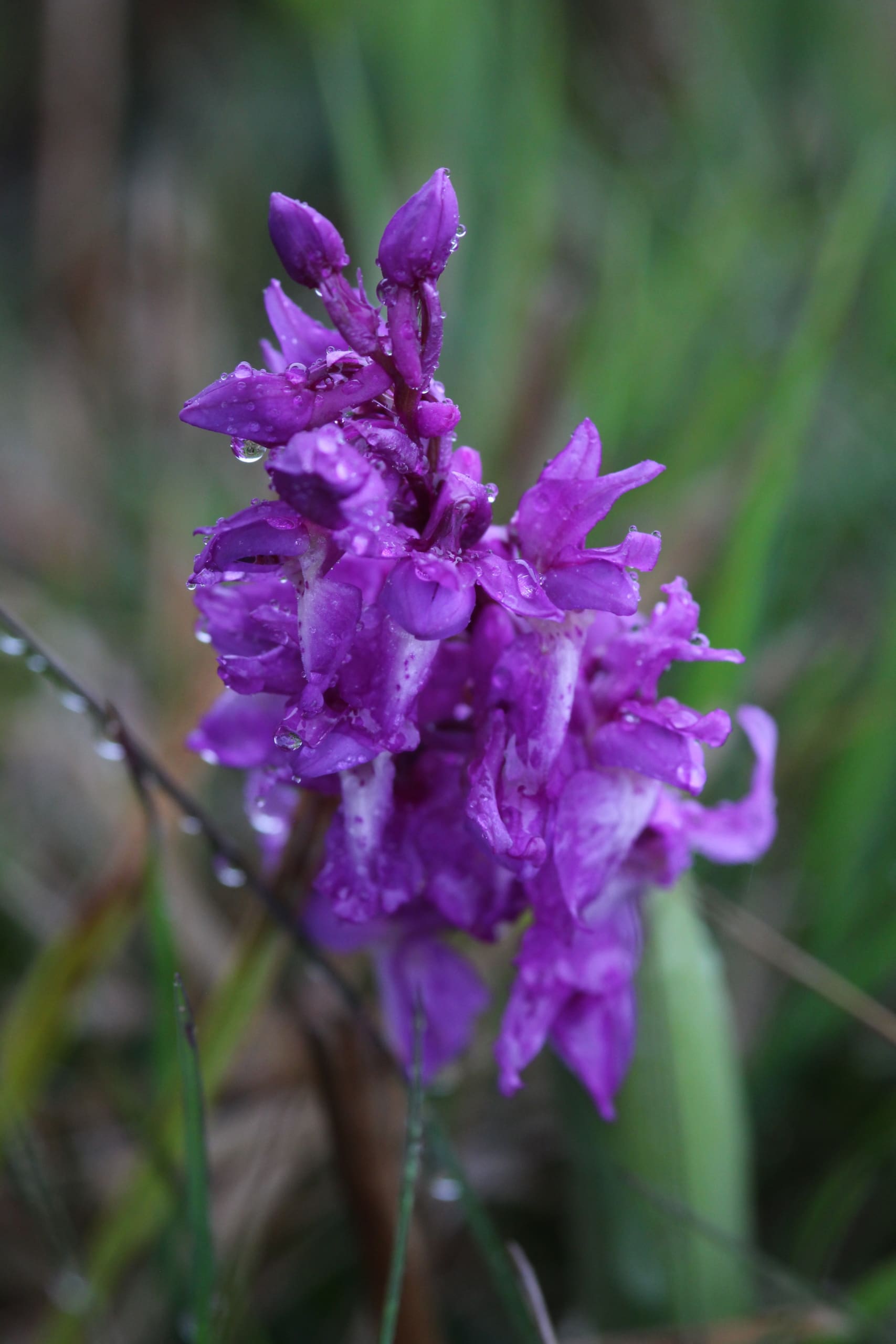
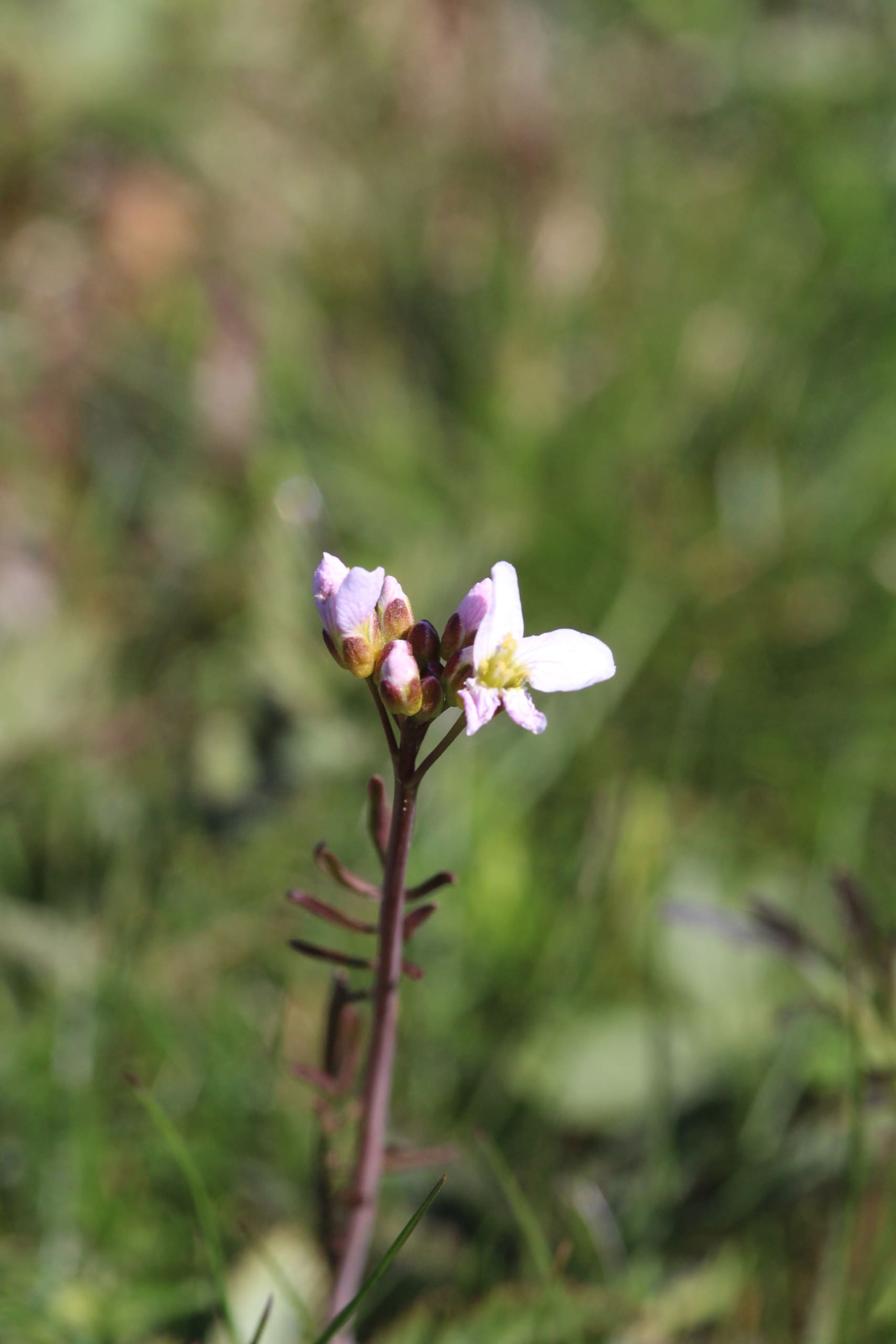
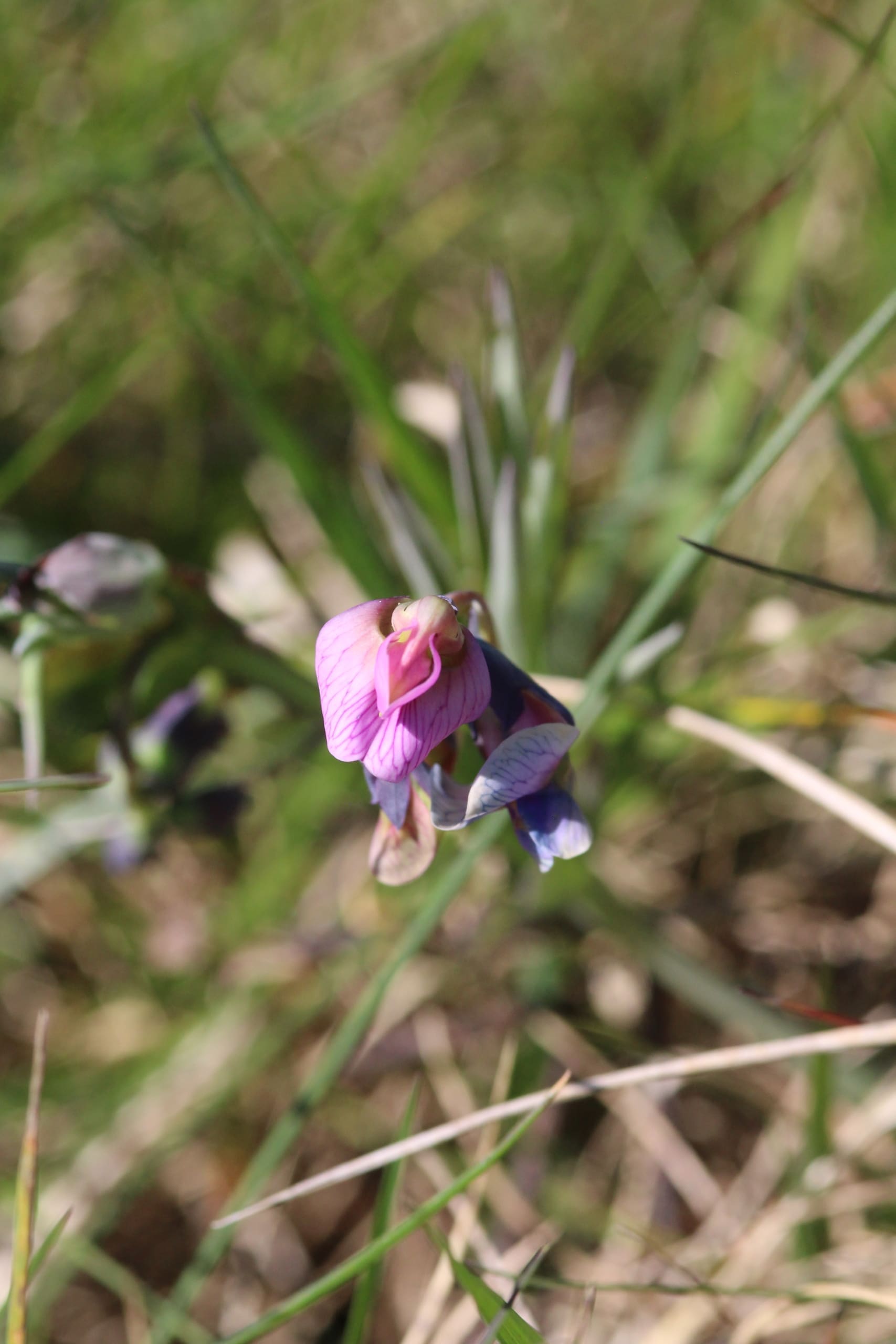
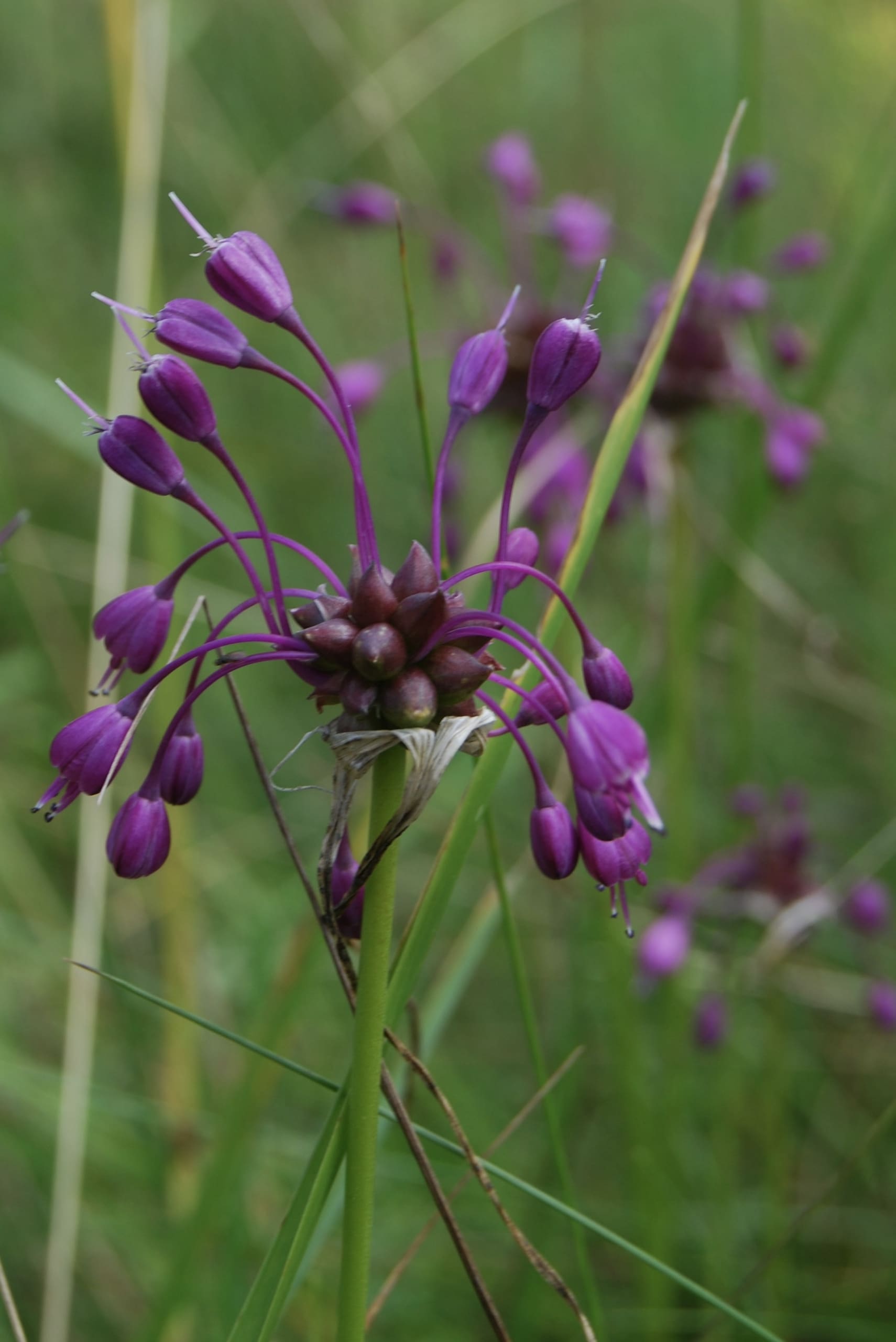
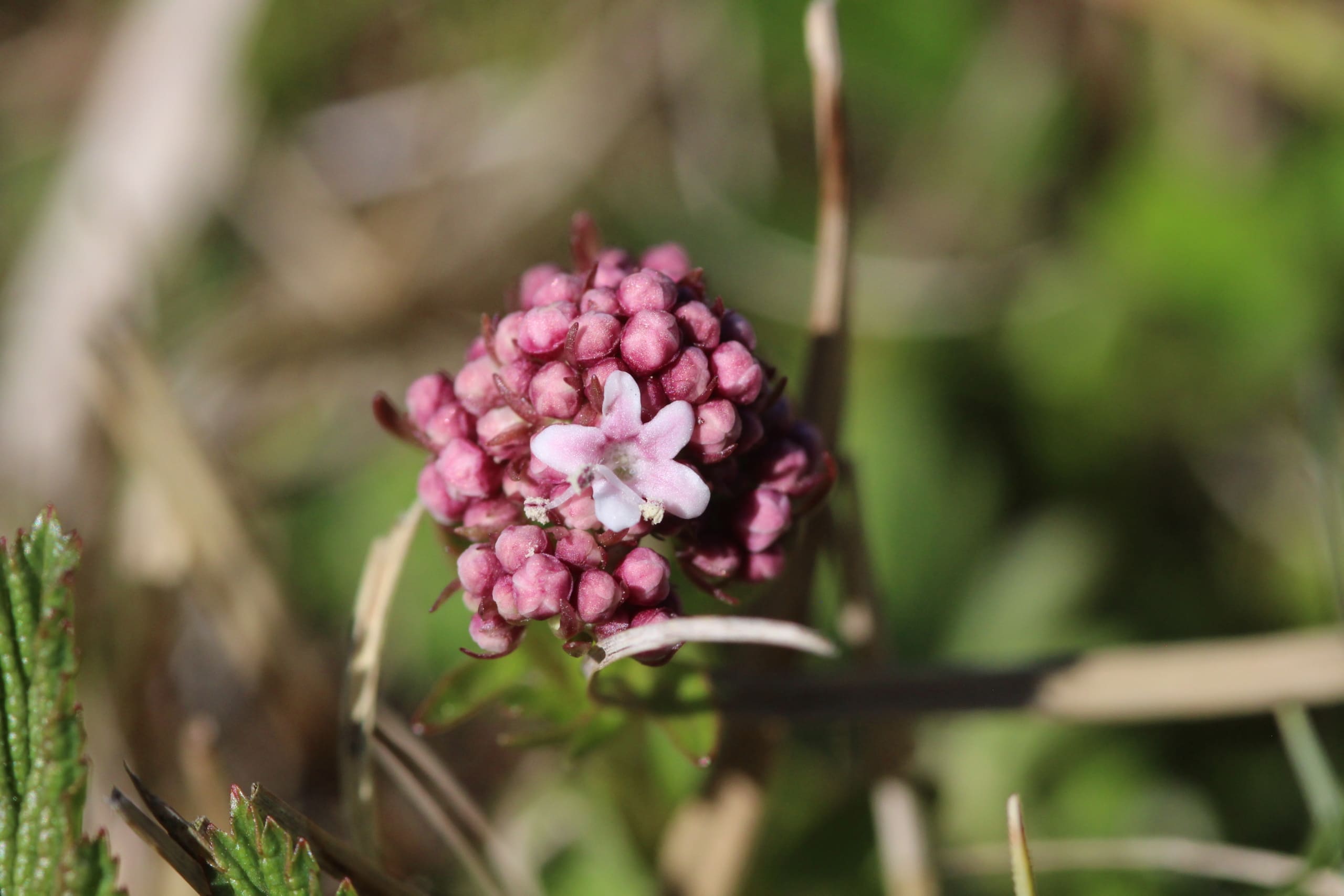
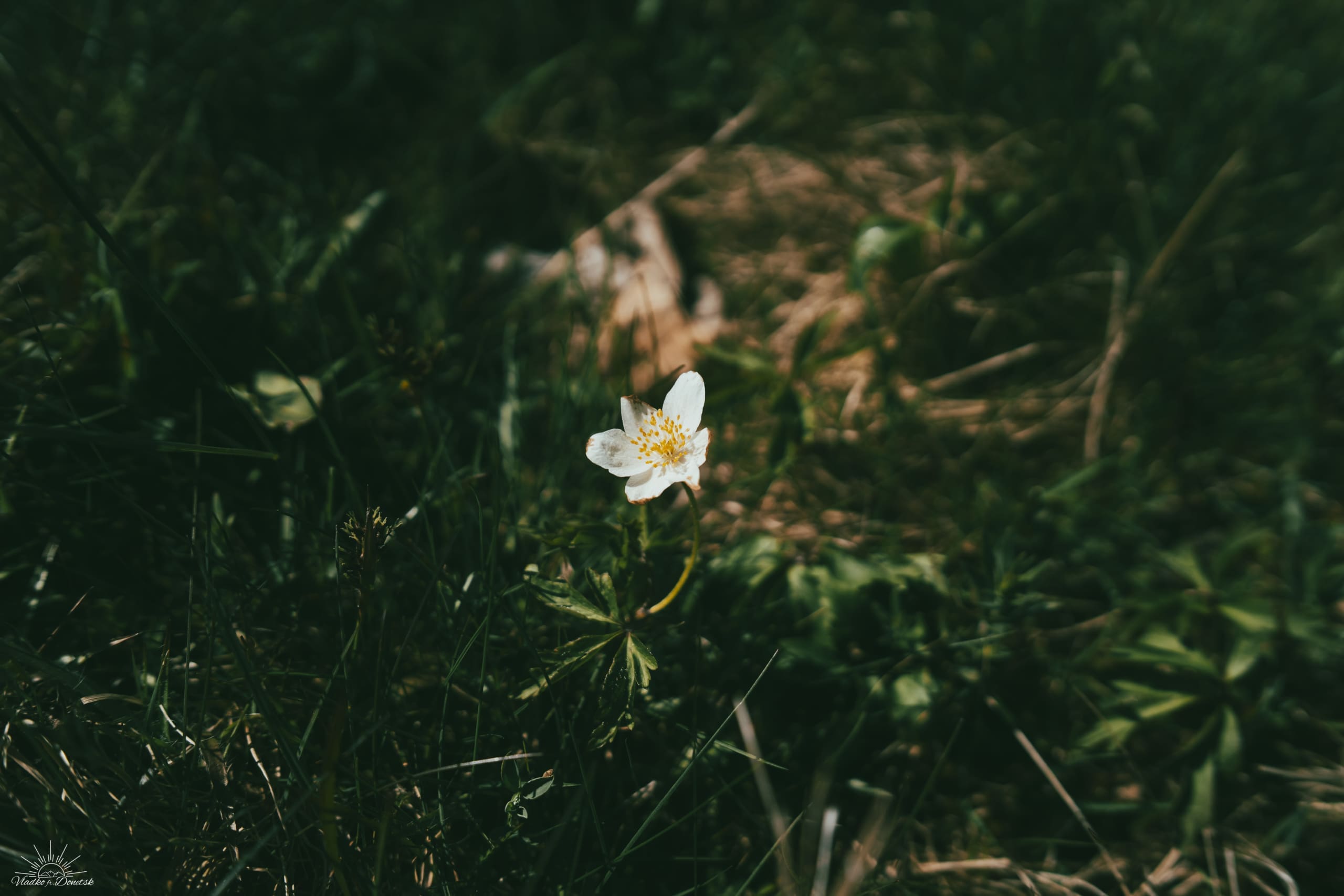
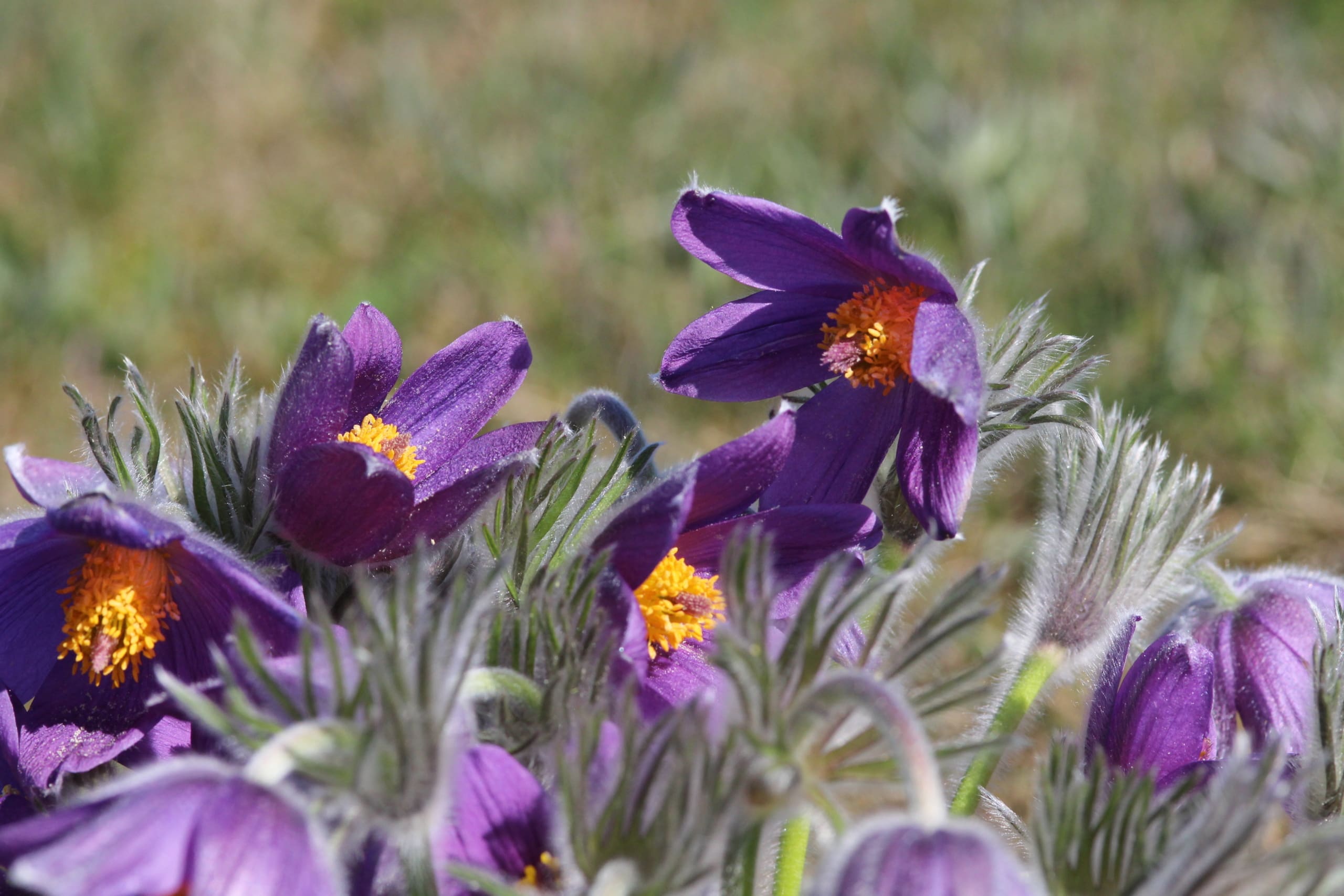
While growing best in nutrient-poor, permeable soils, orchids require consistent moisture without waterlogging [3]. Furthermore, they depend on a symbiotic relationship with soil fungi, known as mycorrhizal fungi. In this mutually beneficial partnership, the fungi help the orchids absorb water and nutrients, while receiving carbohydrates from the plants in return [4]. Another feature of orchids are their often highly specialized pollination strategies. Some species use deceptive pollination, attracting insects through flower shapes, colors, or scents that mimic potential mating partners, thereby helping to transfer pollen and ensure the orchids’ reproduction [5].
The most significant habitat for endangered species, particularly orchids, is located near Green 12. To help protect this sensitive area, golfers and other visitors are asked to not enter it throughout the season.
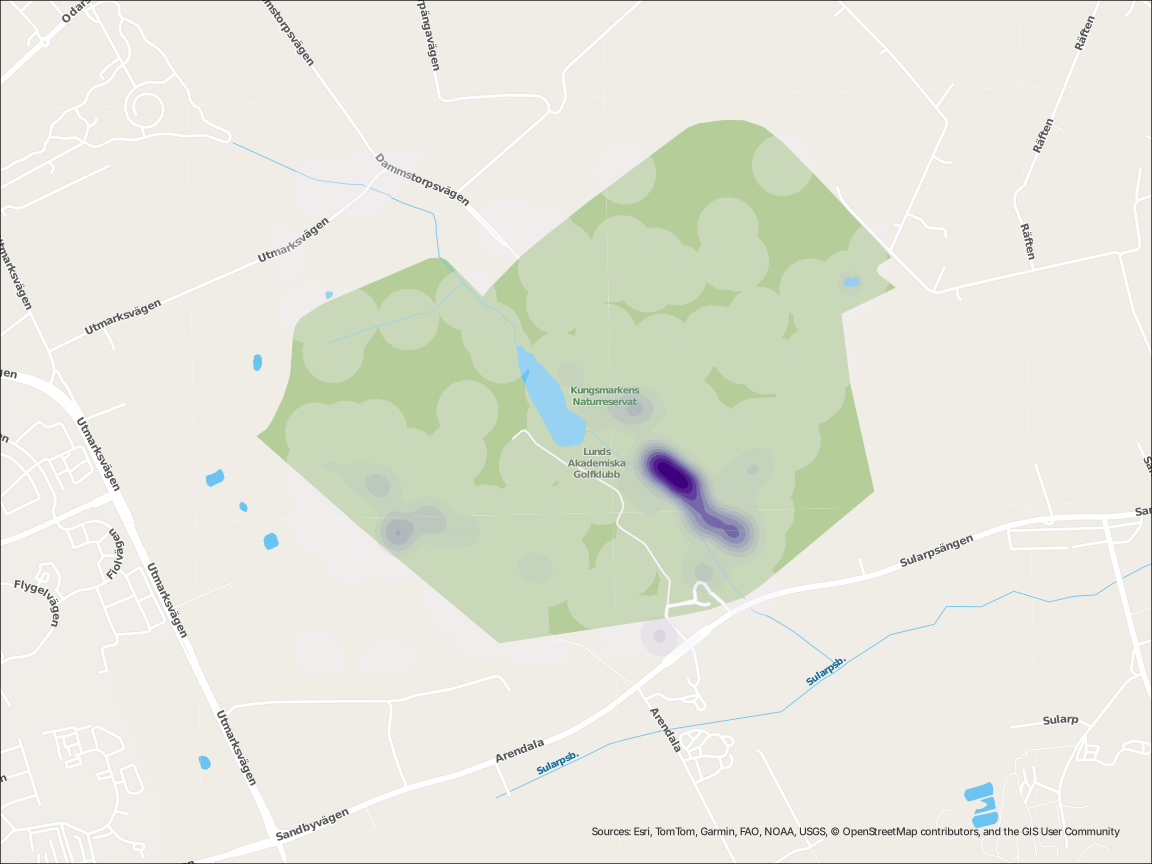
Density of endangered species across Kungsmarken – darkest where the hotspots lies
Franz-Michael emphasizes: “There are a lot of people who talk about golf as ‘green asphalt’. I think playing golf in an area like Kungsmarken is a privilege”. For him, combining golf with nature conservation is not a contradiction, but a responsibility. Protecting sensitive habitats requires awareness, care, and long-term thinking from everyone who uses the landscape.
Asked what success would look like, his answer is simple:
“A success would be that we are still here and we still have an interesting and important nature to preserve — to continue to preserve. I think we can do that. There are a lot of external factors we can’t control, but if we continue the way we do, and with the kind of foresight we have, I think we are still here and doing quite well.”
The Club manager, Marcus Tegstam is aware of the trade-offs that the club’s management decisions can have on the play, but emphasizes:
“Yes, our fairways are quite narrow, and during the summer the rough grows so high that it demands a high level of precision from the player. On the one hand, some might say parts of our course can be frustrating; on the other hand, they challenge your technique. There are many examples around the world where major tournaments are played on similar courses, where the best of the best compete.”
Also read
To read further
[1]
Swedish Board of Agriculture ( 2024): Official statistics on agricultural land use in Sweden, including how land is distributed and managed nationally.
Statistics Sweden (2022): National environmental statistics, including indicators on water use in Sweden.
STERF (2014): Research programme on sustainable water management for golf courses, highlighting irrigation strategies and efficiency in Nordic climates.
[2]
Tidåker, Wesström & Kätterer (2017): Analysis of energy use and climate impact from maintaining two Swedish golf courses.
Statbase, Fertiliser consumption in Sweden: Data on fertiliser use per hectare of arable land in Sweden.
[3]
Länsstyrelsen, County Administrative Board: Information on protected Kungsmarken.
[4]
Mycorrhiza overview: Explains how mycorrhizal fungi form symbiotic relationships with plants and improve nutrient uptake and soil resilience.
[5]
Swedish Environmental Protection Agency (Naturvårdsverket): Describes Sweden’s system for protecting species under national law. Protected species, including all wild orchids,
