
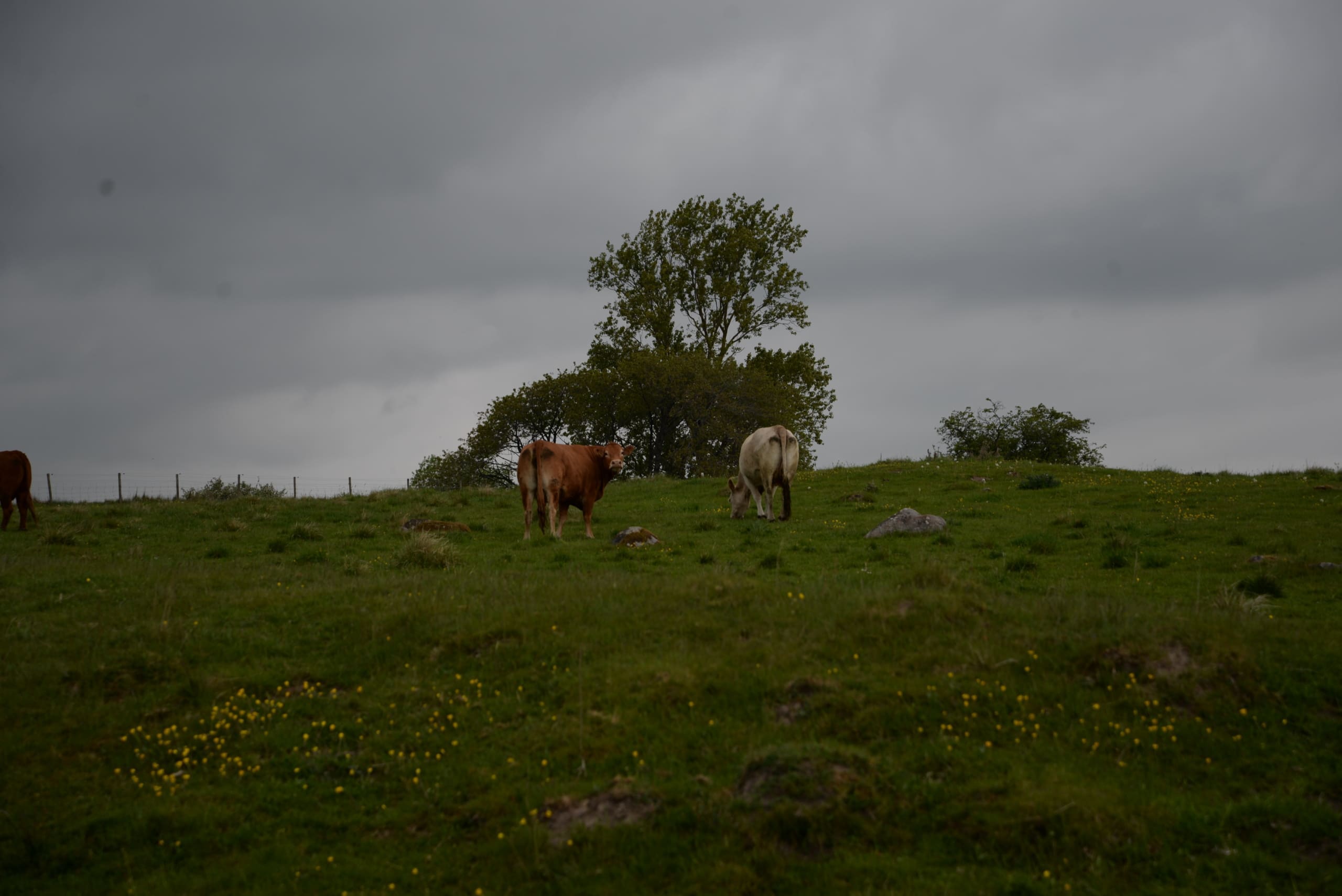
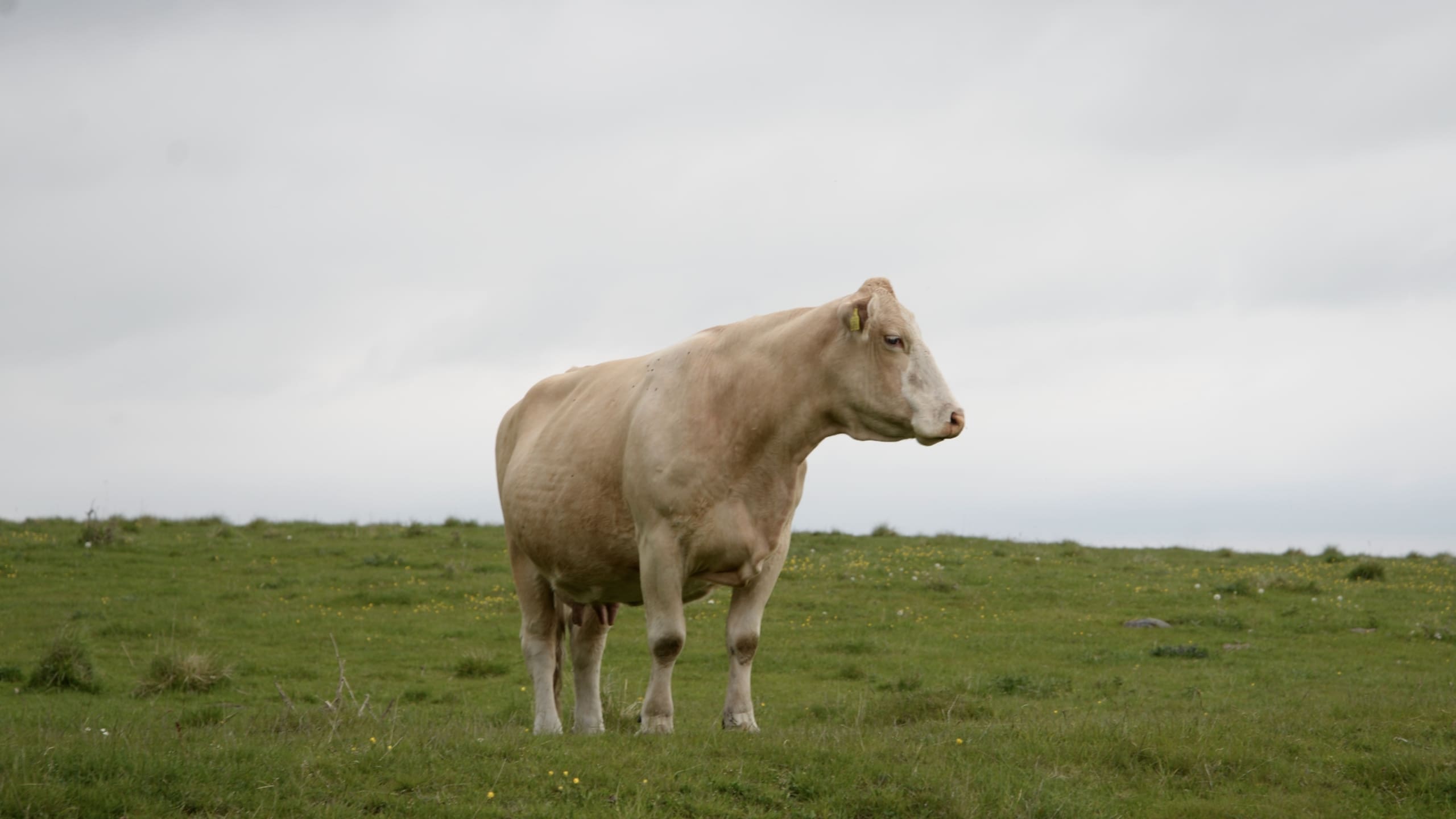
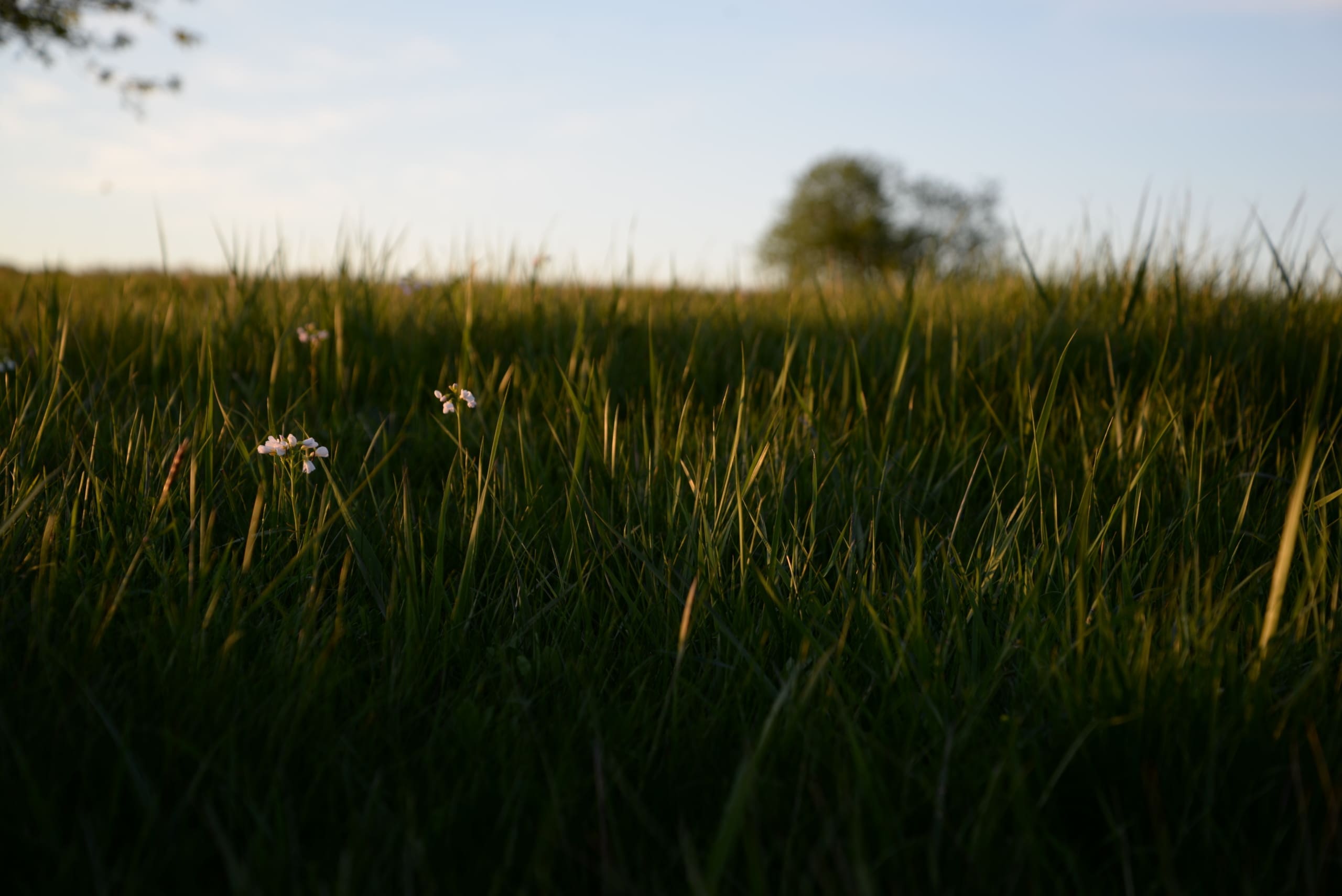
Every year from May to October, a small herd of cows moves into parts of the rough on temporary fences. They graze the long grass, leave their dung behind, and shuffle and scuff the soil in ways that no machine can replicate. Grazing keeps nutrient levels in the rough naturally low. Dung adds organic matter and microbial life directly back into the soil. Physical disturbance from their hooves creates small patches of bare earth that certain plant and insect species depend on to establish themselves [1]. It is fertilisation, aeration, and habitat creation in a single act, with no synthetic inputs required.
At LAGK only on the greens and tees, 1.5 ha of the total course, are where fertilizers are applied. While Fungicides are applied once or twice a year, and only on the greens, Pesticides and herbicides are not used anywhere on the course.
As the turf is mown to 2 mm, irrigated artificially, and walked on constantly by players it is under stress. Fungal diseases thrive in those conditions and with warming temperatures and more frequent humidity extremes, the risk is increasing [2].
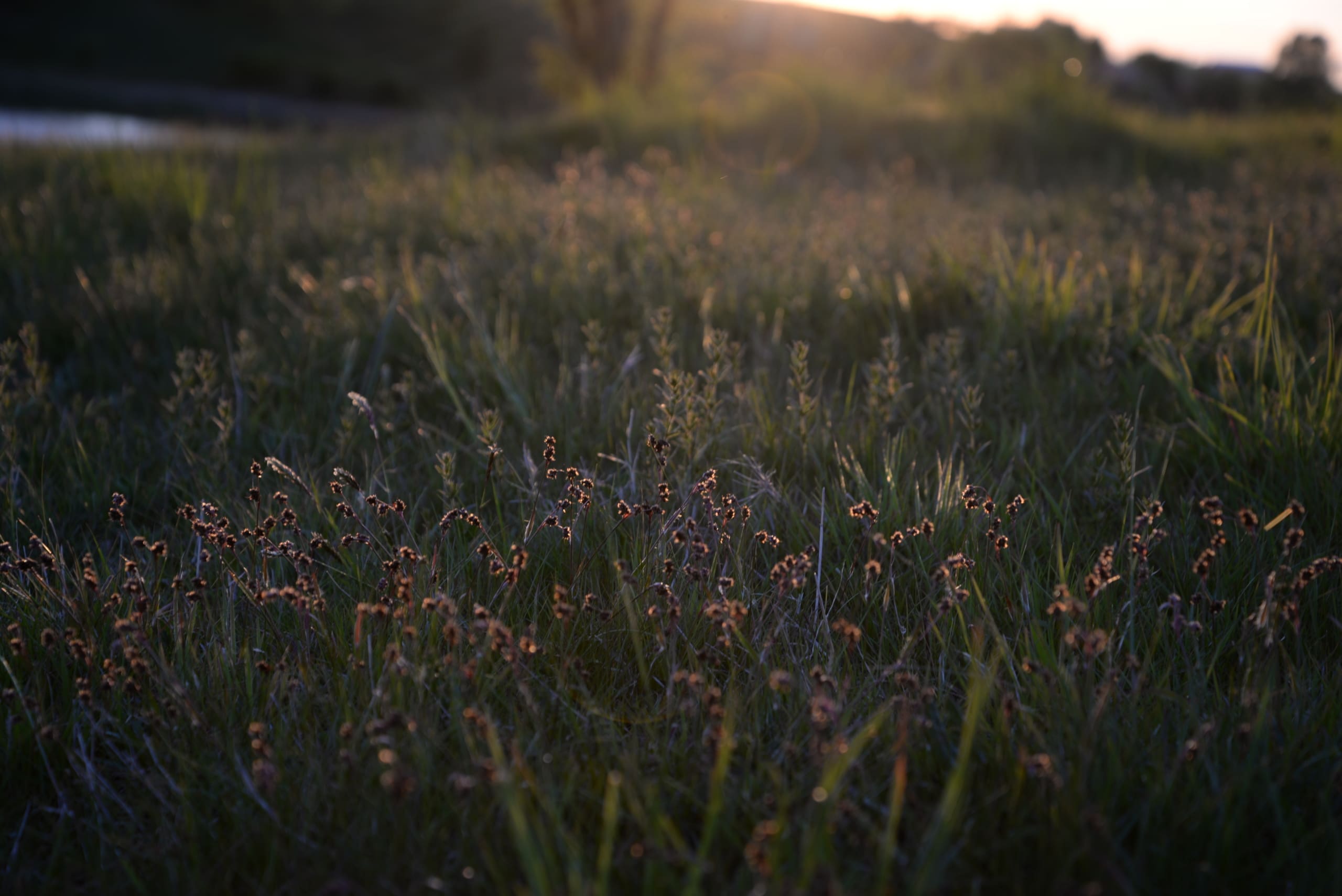
Chemical use on land is rarely just a local issue. It can enter nearby water and trigger algal blooms, which form dense surface layers that block light from reaching submerged plants. When those blooms die, bacteria decompose them and consume the dissolved oxygen in the water, creating conditions hostile to fish and bottom-dwelling life. This eutrophication is one of the causes of aquatic ecosystem degradation in agricultural landscapes like Skåne [3].
Not intuitively clear may be the effect of fertilizer use on the climate. While Nitrogen fertilizer production is energy-intensive and in turn to a large extent reliant on fossil energy forms [4], a second effect is what happens after application: nitrogen in soil accelerates microbial processes that release nitrous oxide (N2O), which is a greenhouse gas with a warming potential roughly 300 times that of carbon dioxide over a 100-year period [5].
It can also undermine the soil itself. Heavy or repeated fertilizer use can shift soil microbiology, reduce biological activity, and create a dependence on chemical inputs, a feedback loop that makes soil less capable of sustaining itself without them [6].
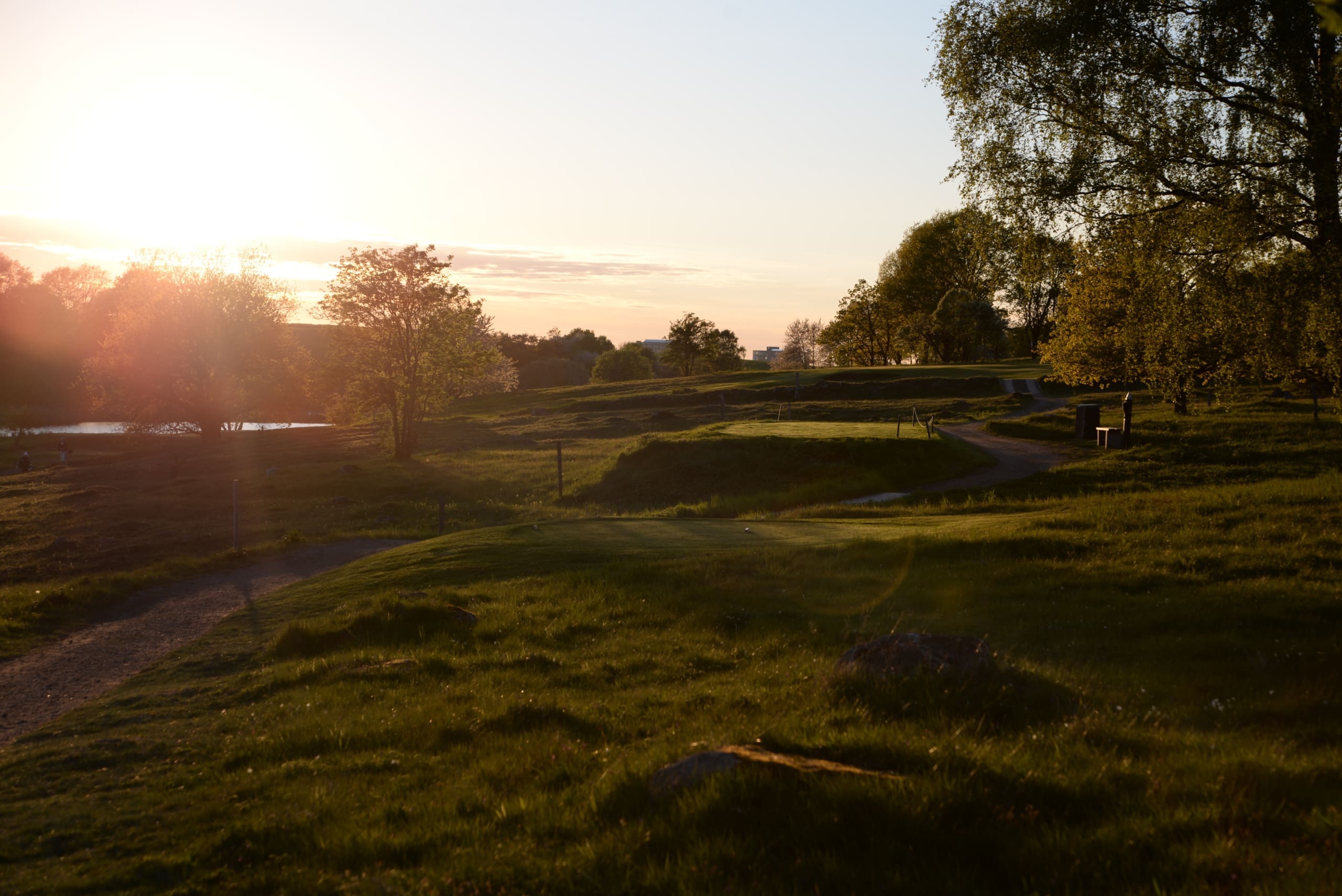
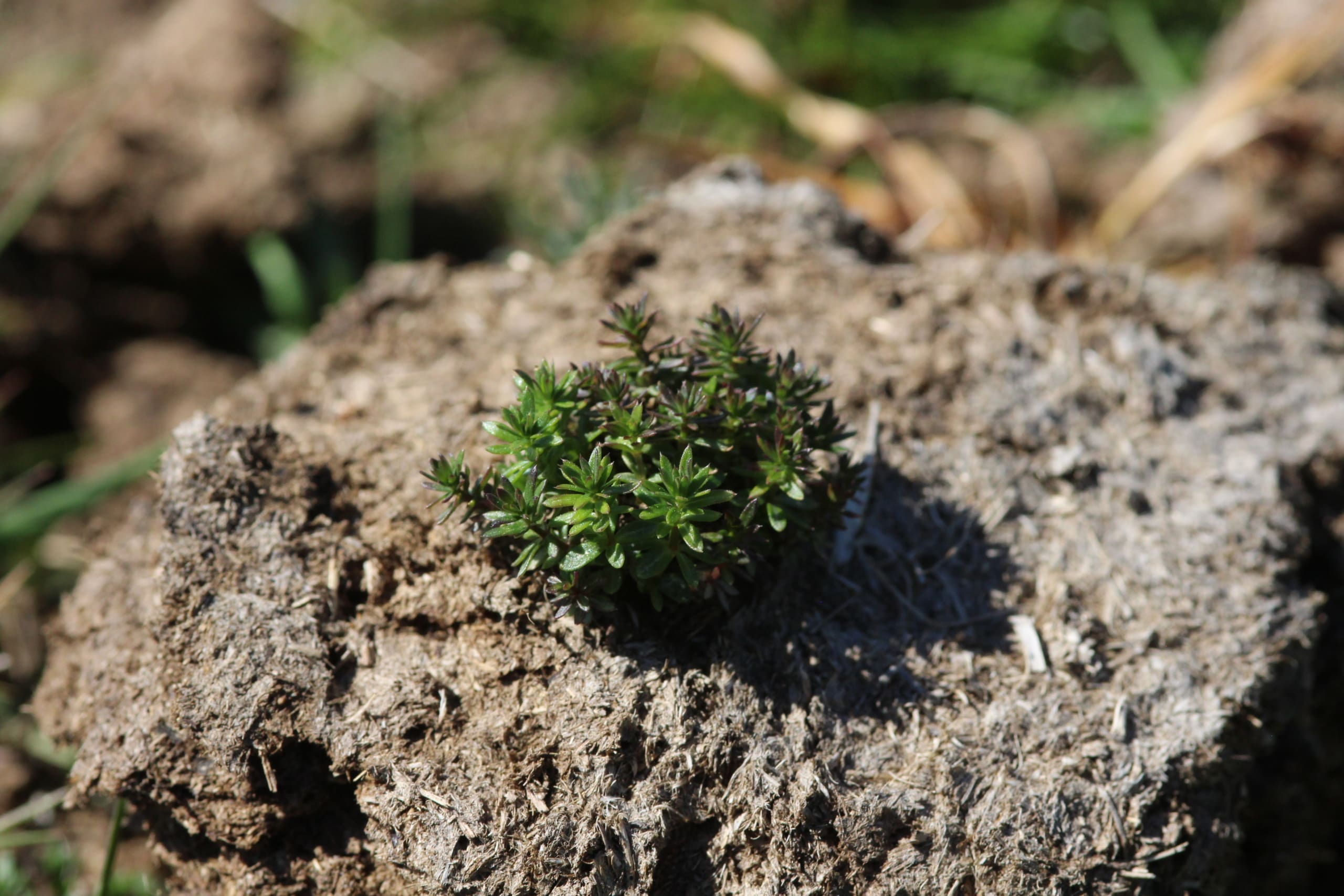
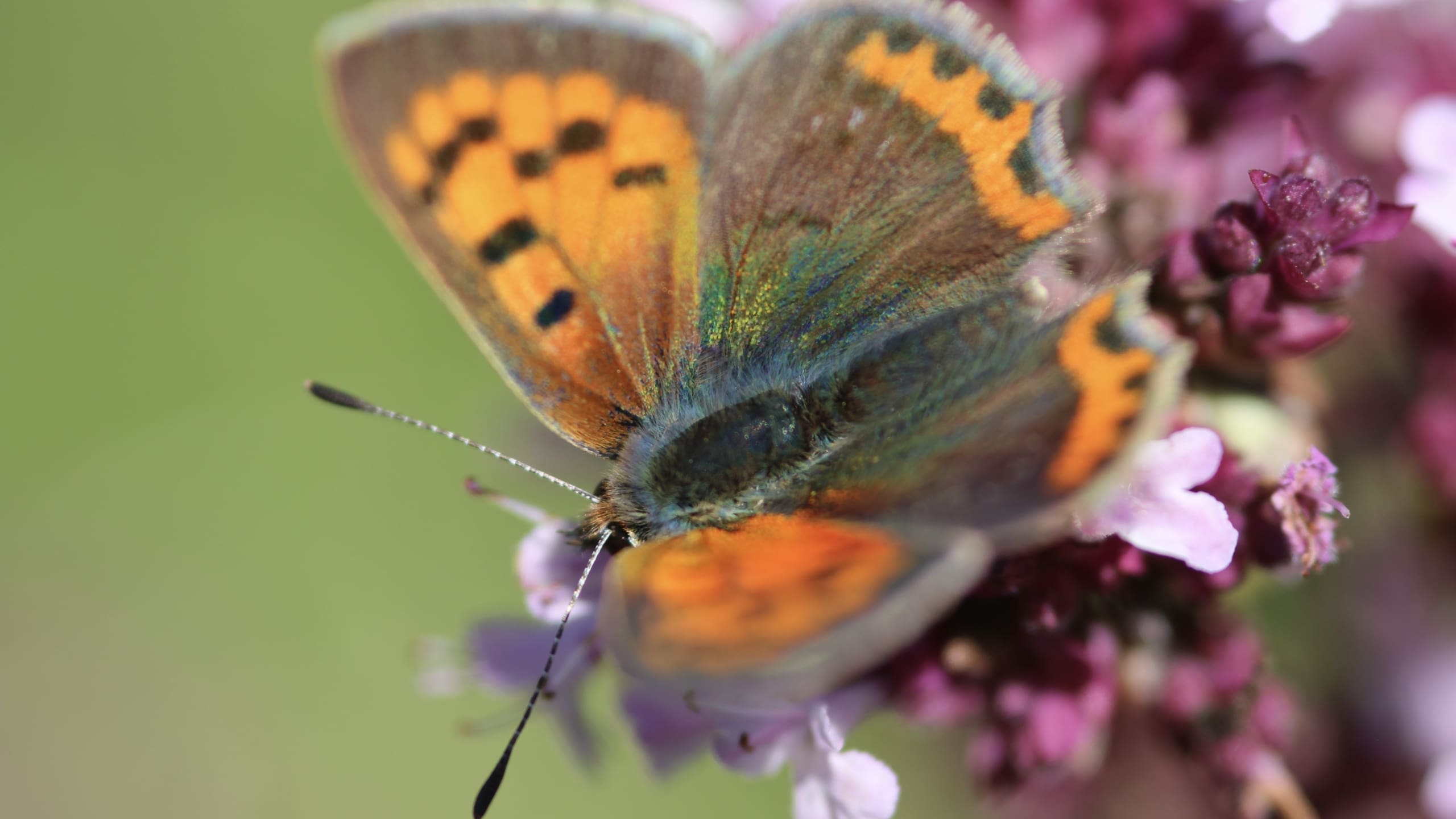
Meanwhile on the rough of LAGK, species like Devil’s bit scabious (Succisa pratensis), a plant that would be outcompeted in nutrient-rich conditions created by fertilization, has taken hold [7]. And where Devil’s bit scabious grows, the Purple edged copper (Lycaena hippothoe) likely follows, a butterfly that thrives in nutrient poor grassland [8]. It is just one example of a chain of interaction and dependency in nature that only exists because the soil here has not been enriched beyond what it naturally holds.Reduced chemical use on golf courses, like LAGK showcases, therefore helps preserve soil life, supports biodiversity, and takes care of the quality of the water in Glomsjön and the streams beyond it.
Also read
To read further
[1]
Veen et al. (2024): Shows that grazers create ecological conditions that mowing alone cannot replicate.
Brummerloh & Kuka (2023): Explains how dung contributes nutrients, organic matter, and microbial activity to grassland soils.
Van Klink et al. (2015): Shows that large herbivores shape grassland ecosystems through grazing and physical disturbance, which can increase habitat diversity and affect insect communities.
[2]
DLF ProGrass (2025): Describes how warmer temperatures, humidity extremes, and changing weather patterns increase the risk of turfgrass pathogens.
[3]
World Resources Institute: Overview of eutrophication, algal blooms, and hypoxia.
[4]
IEA Ammonia Technology Roadmap: Explains how ammonia production relies heavily on fossil fuels and is energy intensive.
[5]
IPCC AR6: Explains the climate impact of nitrous oxide (N₂O), a greenhouse gas released from soils after nitrogen application.
[6]
Geisseler & Scow (2014): Review of long-term effects of mineral fertilisers on soil microorganisms.
Dincă et al. (2022): Review of fertilisation impacts on soil microbial communities and soil quality.
[7]
Beltman et al. (2002): Examines how nutrient enrichment changes plant communities in calcareous fens and can threaten specialist species.
[8]
Naturefund: Overview of the habitat requirements and conservation challenges of the Purple-edged Copper butterfly.
